


10 Hobbies You Can Start This Fall to Lead a More Sustainable Life

What to expect
-
Why Fall Is Perfect for Starting Sustainable Hobbies
-
10 Sustainable Hobbies to Transform Your Fall
-
1. Gardening and Growing Your Own Food
-
2. Learning a New Language
-
3. Cooking and Preserving Food
-
4. Learning Music
-
5. Cognitive Behavioral Therapy and Mental Health Practices
-
6. RV Living and Minimalist Travel
-
7. Service Dog Training and Animal Care
-
8. Functional Fitness and Health
-
9. Survival Skills and Self-Reliance
-
10. Sign Language and Communication Skills
-
How Spiral-Bound Learning Materials Support Sustainable Hobbies
-
Making Sustainable Hobbies Stick: The Power of Consistent Practice
-
Conclusion: Your Sustainable Future Starts This Fall
As the leaves begin to turn and we settle into cozier routines, fall presents the perfect opportunity to embrace new hobbies that not only enrich our lives but also contribute to a more sustainable future. With climate change concerns growing and environmental awareness at an all-time high, many of us are looking for meaningful ways to reduce our impact on the planet while discovering fulfilling activities.
Sustainability isn't just a buzzword—it's a way of living that meets our current needs without compromising the ability of future generations to meet theirs. At its core, sustainability involves making choices that conserve natural resources, minimize waste, and reduce our environmental impact. When we adopt sustainable practices in our daily lives, we become active participants in creating a healthier planet for everyone.
The beauty of sustainable living lies in its accessibility. You don't need to overhaul your lifestyle completely overnight. Small, consistent changes in how we spend our leisure time can create a ripple effect that extends far beyond our individual actions. Each sustainable hobby we adopt teaches us valuable skills while deepening our connection to the natural world and our communities.
This fall, consider exploring hobbies that align with your sustainable values. These activities not only offer personal satisfaction; they also actively contribute to environmental stewardship, community building, and resource conservation. Let's explore ten engaging hobbies that can transform both your free time and your environmental impact.
Why Fall Is Perfect for Starting Sustainable Hobbies
Fall's natural rhythm of slowing down and preparing for winter makes it an ideal time to develop new, mindful practices. The cooler weather invites us indoors for crafting and learning, while the harvest season connects us to the natural cycles. Many sustainable hobbies align perfectly with fall's energy of gathering, preserving, and creating: activities that our ancestors knew were essential for thriving through the changing seasons.
10 Sustainable Hobbies to Transform Your Fall
1. Gardening and Growing Your Own Food
Why Gardening Supports Sustainability
Starting a garden, even a small indoor herb garden, connects you directly to your food source while reducing your carbon footprint. Growing your own produce eliminates packaging waste, transportation emissions, and pesticide exposure.
Perfect Timing for Fall
Fall is perfect for planning next year's garden, starting indoor herbs, or learning about companion planting and organic growing methods.
Getting Started Without a Yard
Indoor gardening doesn't require a yard. Windowsill herbs, sprout growing, or even a small hydroponic setup can provide fresh greens throughout the winter months. The satisfaction of harvesting something you've grown yourself is unmatched, and you'll develop a deeper appreciation for the effort that goes into food production.
Essential Resource
The First-Time Gardener: Growing Vegetables offers comprehensive guidance for novice gardeners. This spiral-bound guide covers everything from soil preparation to harvest techniques, making it easy to reference while you're working with soil on your hands.
2. Learning a New Language
Building Cultural Bridges
While it may not seem sustainable, language learning opens doors to cultural understanding and global cooperation. These connections are essential elements of addressing worldwide environmental challenges.
Reducing Digital Dependencies
Language skills also reduce the need for translation apps and services, supporting more direct human connections. When you can communicate with people from different cultures, you gain insights into diverse sustainability and environmental stewardship approaches.
Fall Learning Opportunities
Fall evenings are perfect for settling in with language lessons, whether you're interested in connecting with local immigrant communities or preparing for sustainable travel adventures.
Essential Resource
Easy Spanish Phrase Book New Edition: Over 700 Phrases for Everyday Use makes learning practical Spanish accessible. The spiral binding allows you to practice phrases hands-free while cooking traditional recipes or engaging in conversation practice.
3. Cooking and Preserving Food
Reducing Food Waste and Packaging
Mastering cooking skills, particularly techniques such as canning, fermentation, and dehydration, can dramatically reduce food waste and packaging. Learning to cook from scratch means consuming fewer processed foods, generating less packaging waste, and enjoying better nutrition.
Seasonal Food Preservation
Food preservation techniques help you make the most of seasonal abundance and reduce trips to the grocery store. Fall is harvest season, making it the perfect time to learn canning, making sauerkraut, or dehydrating apple slices.
Building Essential Life Skills
These skills were once essential survival techniques, and they're becoming increasingly valuable as people seek to reduce their environmental impact and build food security.
Essential Resource
101 Greatest Soups on the Planet: Every Savory Soup, Stew, Chili, and Chowder You Could Ever Crave transforms leftovers and seasonal ingredients into satisfying meals. The spiral binding keeps recipes visible while you chop vegetables and tend to simmering pots.
4. Learning Music
Sustainable Entertainment That Lasts
Music is one of humanity's most sustainable forms of entertainment. Once you learn an instrument, you can create hours of enjoyment without consuming additional resources. Musical skills last a lifetime, provide stress relief, and can bring communities together without the environmental costs associated with mass entertainment.
Connecting to Cultural Heritage
Learning music also connects you to cultural traditions and provides a creative outlet that doesn't require constant material consumption. A guitar, piano, or even a simple recorder can provide years of sustainable entertainment and personal growth.
Essential Resource
How to Read Music in 30 Days: Music Theory for Beginners makes music theory accessible to everyone. The spiral binding allows you to keep the book open at your piano or music stand while practicing scales and exercises.
5. Cognitive Behavioral Therapy and Mental Health Practices
Supporting Environmental Behavior Through Mental Wellness
Mental health directly impacts environmental behavior. When we feel overwhelmed, anxious, or disconnected, we're more likely to make impulsive consumption decisions or avoid the effort required for sustainable practices.
Building Resilience for Sustainable Living
Learning CBT techniques helps build the emotional resilience needed for long-term sustainable living. Mental wellness practices also reduce the need for consumption-based stress relief like retail therapy or excessive entertainment consumption.
Creating Thoughtful Decision-Making
Developing strong coping strategies creates a foundation for making thoughtful, sustainable choices even during challenging times.
Essential Resource
Retrain Your Brain: Cognitive Behavioral Therapy in 7 Weeks - A Workbook for Managing Depression and Anxiety provides structured exercises for building mental resilience. The workbook format with spiral binding makes it easy to complete exercises and track progress over time.
6. RV Living and Minimalist Travel
Learning Resource Conservation Skills
When done thoughtfully, the RV lifestyle teaches valuable lessons about living with less, conserving resources, and appreciating natural spaces. Even if full-time RV living isn't for you, learning about efficient space utilization, water conservation, and off-grid systems can inform more sustainable practices at home.
Practical Skills for Any Home
RV skills encompass a wide range of abilities, from solar power management to efficient cooking in confined spaces. These techniques translate directly to reducing resource consumption in traditional homes while building appreciation for the natural world.
Essential Resource
RV Hacks: 400 Ways to Make Life on the Road Easier, Safer, and More Fun provides practical tips for resource conservation and efficient living. The spiral binding makes it perfect for referencing specific hacks while working on projects or planning your next adventure.
7. Service Dog Training and Animal Care
Building Compassion and Responsibility
Working with animals teaches responsibility, patience, and the importance of caring for other living beings. Service dog training, in particular, contributes to community welfare while developing deep bonds with animals.
Understanding Our Connection to Nature
This hobby emphasizes the interconnectedness of all life and the importance of compassionate care. Animal care skills also extend to wildlife conservation awareness and responsible pet ownership.
Developing Patience and Consistency
Understanding animal behavior and training creates more harmonious relationships with the natural world while building valuable life skills.
Essential Resource
Service Dog Training Guide: A Step-by-Step Training Program for You and Your Dog offers a comprehensive training program. The spiral binding lets you keep the guide open while working hands-on with your dog, making training sessions more effective.
8. Functional Fitness and Health
Equipment-Free Sustainable Exercise
Physical fitness that emphasizes functional movement and bodyweight exercises requires minimal equipment and eliminates the need for gym memberships. Learning to maintain your health through natural movement patterns reduces dependence on resource-intensive fitness industries while building lifelong wellness habits.
Connecting Fitness with Nature
Functional fitness often incorporates outdoor activities, such as hiking, cycling, or calisthenics in parks, thereby connecting physical health with an appreciation for natural spaces. This approach to fitness is inherently sustainable and accessible.
Building Long-Term Health Habits
Developing strength, balance, and stamina through functional movement creates health patterns that reduce healthcare resource consumption over time.
Essential Resource
10-Minute Strength Training Exercises for Seniors: Exercises and Routines to Build Muscle, Balance, and Stamina demonstrates how effective exercise doesn't require fancy equipment or long time commitments. The spiral binding makes it easy to follow along with exercises while maintaining proper form.
9. Survival Skills and Self-Reliance
Building Confidence and Reducing Dependencies
Basic survival skills, such as fire starting, water purification, shelter building, and navigation, build confidence and reduce dependence on resource-intensive technologies. These skills connect us to traditional knowledge while providing practical abilities for outdoor adventures or emergency preparedness.
Deepening Resource Appreciation
Learning survival skills also deepens our appreciation for the resources we often take for granted, such as clean water and reliable shelter. This awareness naturally leads to more conscious consumption patterns.
Practical Emergency Preparedness
Developing self-reliance skills creates security and confidence while reducing the need for complex technological solutions in outdoor situations.
Essential Resource
100 Deadly Skills: The SEAL Operative's Guide to Eluding Pursuers, Evading Capture, and Surviving Any Dangerous Situation teaches practical self-reliance skills through clear illustrations and instructions. The spiral binding makes it perfect for outdoor reference, staying open even in challenging conditions.
10. Sign Language and Communication Skills
Building Inclusive Communities
Learning sign language creates opportunities for meaningful connections with Deaf and hard-of-hearing communities while developing a valuable communication skill that requires no resources.
Enhancing Cognitive Function
Sign language learning exercises different parts of the brain compared to spoken languages, providing cognitive benefits while supporting inclusive communication practices.
Supporting Cultural Understanding
American Sign Language has its own rich culture and history, and learning ASL connects you to this vibrant community while building bridges across different ways of communicating.
Essential Resource
American Sign Kids makes learning ASL fun and accessible for families. The visual format works perfectly with the spiral binding, allowing you to practice signs while keeping the illustrations visible and accessible.
How Spiral-Bound Learning Materials Support Sustainable Hobbies
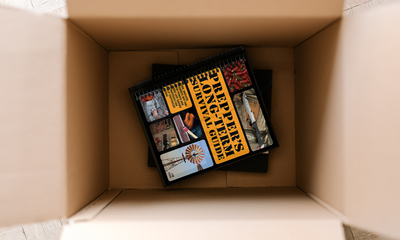
When you're developing new sustainable skills, having the right learning materials makes all the difference. Traditional books can be frustrating when you're trying to follow recipes with messy hands, practice exercises, or refer to instructions while working on projects. That's where spiral-bound books become invaluable tools for sustainable hobby development.
Spiral-bound learning materials lie completely flat, making them perfect for hands-on activities. Whether you're following a complex soup recipe, practicing musical scales, or working through CBT exercises, you can keep both hands free while keeping your place on the page. This practical advantage makes it more likely that you'll stick with your new sustainable hobby, as the learning process is smoother and more enjoyable.
For activities such as gardening, cooking, or RV maintenance, spiral-bound guides can withstand the real-world conditions in which you'll be using them. They're more durable for outdoor use, easier to clean if they get splashed, and less likely to lose pages when handled frequently.
Making Sustainable Hobbies Stick: The Power of Consistent Practice
Why Small Steps Matter
The key to transforming any hobby into a meaningful part of your sustainable lifestyle is consistency. It's not about perfection or dramatic changes overnight. It's about showing up regularly, even if it's just for a few minutes at a time.
Building Sustainable Habits
Whether you're tending to seedlings, practicing a new language, or preparing a weekly batch of soup, small, regular actions build into significant habits that support both personal growth and environmental stewardship.
How Spiral-Bound Books Support Your Journey
Spiral-bound learning materials make consistency more achievable because they eliminate small frustrations that can derail new habits. When your cookbook stays open to the right page, your exercise guide lays flat while you work out, or your gardening manual doesn't snap shut in the breeze, you're more likely to stick with the practice.
The Compound Effect of Sustainable Skills
The beauty of sustainable hobbies is that they compound over time. As your gardening skills develop, you'll grow more food and waste less. As your cooking skills improve, you'll rely less on processed foods and their packaging. As your mental health practices improve, you'll make more informed and thoughtful consumption choices. Each skill builds on the others, creating a lifestyle that's both more fulfilling and more aligned with environmental values.
Starting Small, Growing Strong
Remember that every expert was once a beginner. The gardener who now grows most of their own food started with a single herb plant. The accomplished cook began by learning to make simple soups. The person who now finds peace through daily mindfulness practice started with just five minutes of anxiety management techniques.
Building Your Sustainable Foundation
Your journey toward more sustainable living through meaningful hobbies doesn't require dramatic lifestyle changes or significant financial investment. It requires curiosity, patience with yourself as you learn, and the willingness to try new things.
Embracing Fall's Natural Rhythm
Fall provides the perfect backdrop for this kind of growth. It's a season of gathering skills and preparing for the future, just as nature prepares for renewal.
Conclusion: Your Sustainable Future Starts This Fall
The Power of Intentional Hobbies
The hobbies you choose to develop this fall can become the foundation of a more sustainable, fulfilling lifestyle. Whether you're drawn to the practical satisfaction of growing your own food, the creative fulfillment of learning a musical instrument, or the community connection of developing new language skills, each sustainable hobby offers unique benefits while contributing to a healthier planet.
Skills That Last a Lifetime
The skills you develop through these hobbies will serve you for years to come, providing ongoing satisfaction without ongoing environmental cost. More importantly, they connect you to fundamental human activities, such as growing, creating, learning, and caring. These activities have sustained communities for generations.
Your Role in a Growing Movement
Start small, be patient with yourself, and remember that every sustainable skill you develop makes a difference. Your individual actions may seem small, but they're part of a growing movement of people who are choosing to live more consciously and sustainably.
Ready to begin your sustainable hobby journey? Browse our complete collection of spiral-bound learning guides designed to support your hands-on exploration of skills that benefit both you and the planet. From gardening guides that lay flat in the dirt to cooking resources that stay open while your hands are busy, we've made learning practical and accessible for every sustainable adventure.