


Meet Dana: The Kitchen Garden That Finally Made It to August

How one reader went from bolted lettuce and crowded beds to a backyard garden that kept producing all summer long
"The first year, everything bolted before I could eat any of it. The second year, I planted too much in too small a space and spent July pulling things out instead of harvesting them. By the end of that summer, I had three sad tomatoes and a lot of opinions about gardening forums."Dana had dreamed of a real kitchen garden for years. Not just a handful of pots on the patio, but a backyard space that could actually feed her family from summer into fall. She had the space, and she had the motivation. What she didn’t have, for two growing seasons in a row, was a plan that turned all that effort into results.
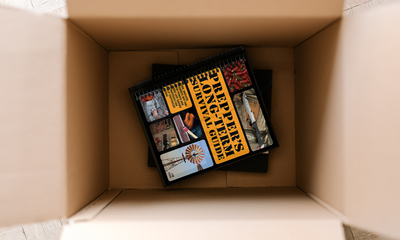
Everything shifted in her third spring. Dana picked up the spiral-bound edition of Raised Bed Gardening for Beginners from Lay It Flat, set it open on her kitchen table, and for the first time, mapped out her entire garden before planting a single seed.
By July, Dana was picking tomatoes from her own backyard. By August, her garden was still thriving.
Who Is Dana
Dana lives in a mid-sized town in central Virginia, in a house where the backyard catches sunlight from late morning through the afternoon. During the week, she works as a project manager at a small architecture firm, so she’s used to thinking in timelines, logistics, and how things fit together in a space.
Dana likes systems. Her kitchen is organized, her weekends have a rhythm, and she’s never minded putting in the work as long as that work leads somewhere meaningful.l.
Gardening appealed to her for reasons that felt both personal and practical. She wanted to know where her food came from. She wanted something to do with her hands outside. She liked the idea of walking ten steps from her back door and coming in with dinner.
What she didn’t expect was just how much could go wrong before any of that became reality.
Year One: Everything Bolted
Dana’s first attempt at a garden was fueled by enthusiasm, but not much experience.
She bought seeds based on what she liked to eat: lettuce, spinach, basil, tomatoes, and zucchini. She planted them in a single wide bed she had dug along the back fence. She watered regularly and waited.
Within six weeks, the lettuce and spinach bolted. She’d read about bolting before, but didn’t really understand it until she found herself staring at tall, bitter stalks that had gone straight from seedlings to seed production, skipping the part where they were actually edible.
The tomatoes survived, but grew slowly. The zucchini sprawled across more space than she’d planned. The basil, at least, was fine.
By the end of the season, she had just enough for one salad, one pot of pasta sauce, and more zucchini bread than she could stay excited about.
Year Two: Too Much, Too Close
The next year, Dana doubled down on research. She scrolled through gardening forums, watched videos, and made an even longer list of things she wanted to try growing.
The problem was, she added everything to her list without thinking about how it would all fit together. Peppers, cucumbers, more tomatoes, beans, herbs, even a patch of kale. The bed was bigger this time, but still not big enough for her ambitions.
By July, the plants were competing with each other. The tomatoes were shading the peppers. The cucumbers had sent runners into the bean section. She spent more time managing the chaos than actually enjoying the garden.
"I kept going back to different websites, trying to figure out what to do and getting five different answers every time. I could never find the information I needed fast enough to actually do anything about it."
She harvested more than in the first year, but it felt more like damage control than gardening. By August, most of the beds were full, and she was back at the farmers' market.
The Problem Was Never the Effort
Dana was honest with herself about what went wrong. It wasn’t the watering, or pests, or even the soil, though she’d worried about all of those.
It was a planning problem.
Both years, she had started planting before she understood the full picture. She did not know which varieties needed how much space. She did not understand how to think about sun exposure across different beds. She had no system for thinking about what to plant where and in what order.
She’d tried to use gardening books before, but always ran into the same problem. She’d sit at the table with her backyard sketch, flipping between planting charts, spacing guides, and sun requirements, and every time she looked up and back down, she’d lost her place.
"I would flip to the wrong page, lose the chart I was looking at, and by the time I found it again, I had forgotten what I was trying to figure out," she said. "It sounds small, but it happened every single time, and it made the whole planning process feel impossible."
Finding Raised Bed Gardening for Beginners
In the third spring, Dana decided to approach the problem the way she did projects at work. Before anything went into the ground, she was going to make a real plan.
She started searching for a beginner book focused on raised beds: the format she wanted to use. That’s when she found Raised Bed Gardening for Beginners in Lay It Flat’s gardening collection.
What caught her attention was the scope and the structure. The book covered everything she had been trying to piece together from multiple sources: how to build and fill raised beds, how to map out a planting layout, spacing guides, companion planting basics, and what to grow in what season. Beginner-friendly language without talking down to the reader.
But what really convinced her was the format.
The Lay It Flat edition is spiral-bound, which means it opens flat and stays that way. No spine cracking. No pages drifting shut while she is trying to hold a pencil and a sketch at the same time. No losing her place every time she looks up.
"I knew immediately that was the thing I had been missing," she said. "Not just better information. A book I could actually use at the table while I was working."
The Planning Session That Changed Everything
The book arrived in March, which Dana realized was perfect timing. It was too early to plant, but exactly the right time to plan.
She sat down at her kitchen table on a Saturday morning, the book open flat in front of her, with her backyard sketch, a ruler, and a notepad. She spent three hours working through the layout sections.
She mapped out two raised beds based on the sun pattern in her yard. She used the spacing guides to determine exactly how many plants could fit in each bed without crowding. She made a list of what she wanted to grow and cross-referenced it with the companion planting section to figure out what could go next to what.
She planned succession planting in the lettuce bed so she would have a continuous harvest, rather than everything coming in at once and then bolting. She wrote down her transplant dates and her direct sow dates and put them in her phone calendar.
"It was the first time I had ever sat down and actually thought the whole season through before it started. It took one morning. I do not know why I had not done it that way before."
The book stayed open the whole time. She never lost her place.
What Happened That Summer
Dana planted her first seeds in mid-March, as planned. Tomatoes and peppers went in as transplants in May, after the last frost date she had looked up and written on her calendar.
For the first time, every plant had the space it needed.
The lettuce came in early, and she harvested it in waves, the way the succession planting section had described. It did not bolt, because she had planted it in the bed that got morning shade, and she had planned her harvest timing correctly.
The tomatoes were placed in the sunniest spot and supported from the beginning. The peppers went next to them. The herbs went along the front edge where she could reach them easily.
She picked her first ripe tomato in early July. Standing in the backyard, eating it over the garden bed while it was still warm from the sun, she finally felt what she’d been missing the last two years: the satisfaction of actually making it work.
By August, the garden was still producing. The tomatoes were going strong. She had more basil than she knew what to do with and had started giving bundles away to her neighbors. The second succession of lettuce was coming in just as the first had finished.
She hadn’t needed to visit the farmers market for anything she could grow herself in six weeks.
What Dana Would Tell a First-Time Gardener
Dana is careful not to oversell it. Gardening still takes work. There were still things that went sideways, a cucumber beetle she had to deal with, a pepper plant that never really thrived, no matter what she tried.
But the foundation was solid, because the planning was solid. And the planning worked because she finally had a guide she could actually use at the table, step by step.
Her advice for anyone starting out:
Plan before you plant. Not just a rough idea, make an actual layout on paper, with spacing and sun patterns mapped out. One good planning session in February can save you a summer of frustration.
Find a book that works the way you do. If you’re going to be flipping between sections, cross-referencing charts, and looking things up mid-project, you need something that stays open. A book that snaps shut every time you look away is not a tool; it’s an obstacle.
Start smaller than you think you need to. Two well-planned raised beds will give you more than four chaotic ones ever could.
"The garden did not get better because I tried harder. It got better because I stopped guessing and followed a plan from start to finish."
What Comes Next
Dana is already planning for next spring. She wants to add a third bed and try starting seeds indoors for the first time, a step she skipped this year, and the book has a section she’s already bookmarked.
She is also planning to try a fall crop. The book has a section on cool-season vegetables, and she wants to see how long she can keep the garden producing into October.
Her sister, who’s been following Dana’s summer through photos, has started asking about building her own raised beds. Dana’s already offered to send her the book.
"I told her: read the whole planning section before you buy a single seed. Do not do what I did the first two years."
A Good Garden Starts Before You Plant
Dana's story is familiar to many would-be gardeners. The enthusiasm is there from the start. The first season is a learning experience. The second season is a better learning experience. And somewhere in the middle of it all, the real problem reveals itself: not a lack of effort, but a lack of a plan.
What changed for Dana wasn’t working harder. It was working from a better foundation: a book written for beginners, a layout she’d thought through before planting, and a format that stayed open on the table while she planned.
The rest followed naturally. July tomatoes, August harvests, a pantry full of dried herbs, and a neighbor who now stops by for basil.
If you have been meaning to try a kitchen garden but keep finding reasons to wait, Dana would probably say, "Do the planning first." Give yourself one solid Saturday with a good book and a sketch of your yard before anything else.
The garden will take care of itself from there.
Ready to plan your best garden yet?
Explore Raised Bed Gardening for Beginners and other spiral-bound gardening guides from Lay It Flat, designed to stay open on your table while you plan, and on your potting bench while you work.