


10 Homesteading Skills Worth Learning This Spring (And the Books That Teach Them)

There is something about spring that makes people want to do more with their hands. Maybe it is the longer days or the smell of fresh soil or just the feeling that this is the season when things actually grow. Whatever it is, spring is the best time to start building skills that will serve you for years.
Homesteading is not about doing everything at once. It is about picking one or two things and learning them properly. The right book makes that a lot easier — especially when it lays flat on the counter and stays open while your hands are busy doing the actual work.
Here are ten homesteading skills worth learning this spring and the books that will get you there.
1. Growing Your Own Vegetables
Starting a food garden is one of the most rewarding things you can do with a patch of outdoor space. The key for beginners is starting small and understanding what your soil and climate need before planting anything. A good beginner gardening book walks you through planning, planting, and what to do when things go wrong — because they will, and that is part of learning.
Featured book: Companion Planting for Beginners
2. Raised Bed Gardening
Raised beds give you more control over your soil, better drainage, and fewer weeds. They are also easier on your back and a great option if your ground soil is poor quality. If you are serious about growing vegetables this spring, a raised bed setup is worth the investment from the start.
Featured book: Raised Bed Gardening for Beginners
3. Baking Sourdough Bread
Sourdough is one of those skills that sounds intimidating until you understand the process. Once you get your starter going and learn the basic techniques, it becomes one of the most satisfying weekly rhythms in a homestead kitchen. The key is a book that explains the why behind each step, not just the what.
Featured book: Sourdough Cookbook for Beginners
4. Milling Your Own Flour
Home milling is a skill most people have never considered and one that changes the way bread tastes completely. Fresh milled flour has a depth of flavor that store bought cannot replicate. It sounds complicated but the right guide makes it very approachable for beginners.
Featured book: The Essential Home-Ground Flour Book
5. Food Preservation and Canning
Growing your own food only makes sense if you know how to preserve the harvest. Canning is one of the oldest and most reliable methods — done correctly it keeps food shelf stable for years. Learning the basics of water bath canning and pressure canning this spring means your summer harvest does not go to waste.
Featured book: The All New Ball Book Of Canning And Preserving
6. Dehydrating Food
Dehydrating is one of the easiest preservation methods to start with and one of the most versatile. Herbs, fruits, vegetables, and even meats can all be dehydrated and stored long term. A good dehydrator cookbook gives you recipes and techniques across every food category so you know exactly what to do with your harvest.
Featured book: The Dehydrator Bible
7. Foraging for Wild Plants
Foraging is the skill of learning what grows wild around you and how to use it safely. It connects you to the land in a way that gardening alone cannot. Spring is the best time to start because so many edible plants emerge early in the season. Always start with a reliable identification guide and never eat anything you are not completely certain about.
Featured book: The Forager's Harvest
8. Beekeeping
Beekeeping takes commitment but the rewards go beyond honey. Bees support your entire garden through pollination and the process of keeping them teaches patience and observation in a way few other homesteading skills do. Spring is when new hives are established so if you are thinking about starting this is the season.
Featured book: Buzz into Beekeeping
9. Composting
Composting turns kitchen and garden waste into the best soil amendment available. It is one of the lowest effort homesteading skills with one of the highest returns — better soil means better vegetables, better herbs, and a healthier garden overall. Once you understand the basics of what to add and what to avoid it becomes completely automatic.
Featured book: Composting for the Absolute Beginner
10. Building a Self-Sufficient Pantry
The goal of most homesteading skills is a pantry that does not depend entirely on the grocery store. Growing, preserving, fermenting, and baking from scratch all contribute to a pantry that is stocked with real food you made yourself. The Encyclopedia of Country Living is the single best reference for building this kind of life — 50 years old and still the most comprehensive guide to self-sufficient living available.
Featured book: The Encyclopedia of Country Living, 50th Anniversary Edition
You do not have to do all ten of these this spring. Pick one or two that excite you most and learn them properly before moving on. The skills that stick are the ones you actually practice.
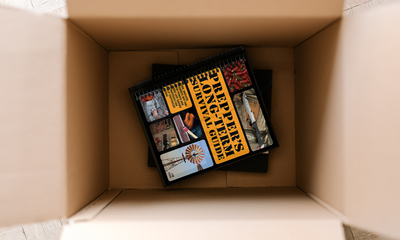
Every book featured in this post is spiral bound and lay flat — designed to stay open on your counter, your workbench, or your garden table while your hands are busy doing the work. That is not a small thing when you are elbow deep in dough or soil and need to check the next step without stopping.
Browse the full Spring Homestead Collection at Lay It Flat and start your next hands-on adventure today.